Austin Hose, a Texas-based hose, fittings, and accessories supplier, began operations in 1966 as Austin-Davies Distributing Corporation. Initially operating from a garage in the city of Earth, Texas, the company built its business alongside the nearby agricultural machine companies as a distributor of farm and industrial machinery, equipment, and supplies, growing as the need for hydraulic hoses rose significantly for dealers. It then became a distributor for Gates Rubber Company. Over the ensuing decades, the business became more hydraulically advanced and expanded its operations across its home state and beyond.
The third generation, family-owned company was put up for sale in 2004 after, Wes Austin, the owner’s son who would have eventually taken over, passed away suddenly. Current Chief Executive Officer Daniel Cramer’s father, a paper salesman at the time, got a group of buyers together in Amarillo and purchased the company outright from Wes’ father, Fred Austin, Jr.
Daniel Cramer has been with the company for 20 years now, starting as an hourly worker when the business only had four locations: Amarillo, San Antonio, Odessa, and Wichita. After graduating college, he transferred into sales out of the San Antonio office, then moved to a branch manager role, and eventually became CEO. In that time, Austin Hose has grown into a business that sports 13 locations as well as a considerable national presence in states like Louisiana, California, Kansas, and more.
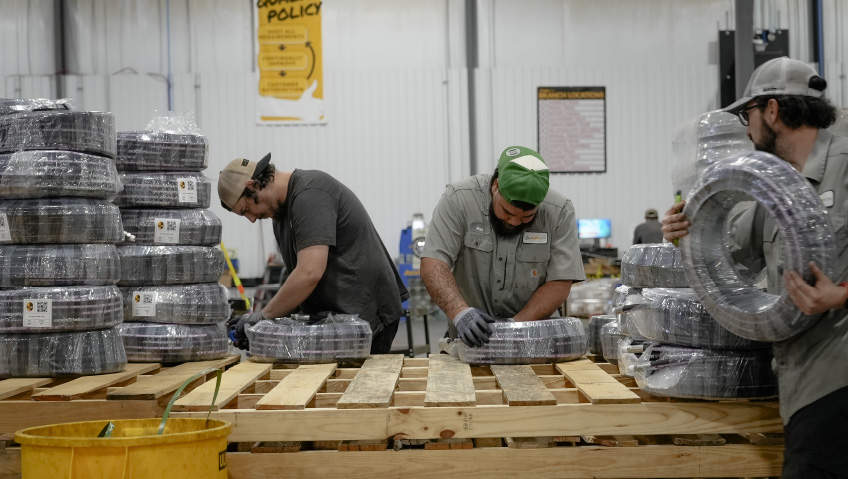
The past two decades have brought significant upheaval and development for Austin Hose. “We are a totally different company from where we started,” Cramer says, evolving by marketing its services to other industries that use hoses while continuing to work in agriculture. From offering hundreds of purchase and rental opportunities to suit any need to its plug-and-play hose shop that allows clients to make their own hydraulic hosing, Austin Hose acts as the go-to name for its industry.
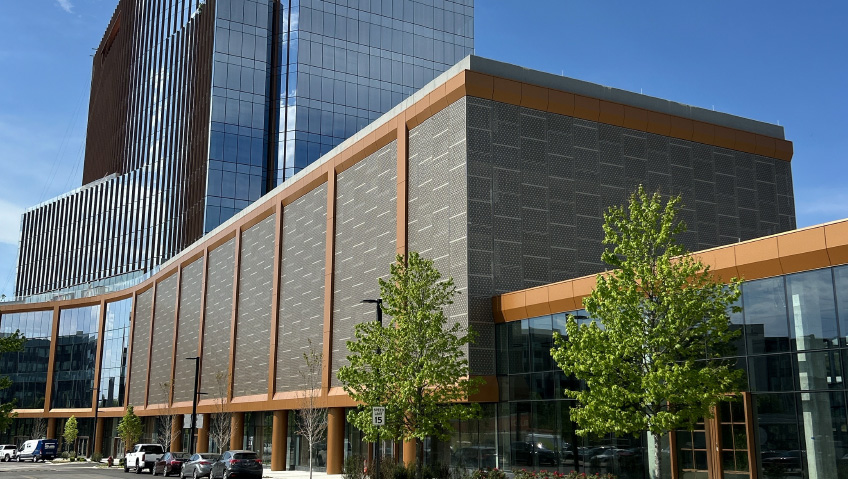
This decade so far has also seen the company acquire other hose businesses such as Powertrack International and GT Southwest, and both the Odessa and Amarillo locations moved into new facilities, both over 175,000 square feet in size, last year. And the company is in no way finished with its plans for growth.
Austin Hose has set a standard for itself in dominating the more difficult parts of the industry and overcoming barriers that other businesses in its space often have to deal with. Over time, the company expanded into further industries and attracted more and more top-line people, says Cramer, and this has been the biggest marker of growth so far. Along with its home industry of hoses and hydraulics, Austin Hose is also heavily involved in the oil & gas market and regularly supplies rotary hoses for drilling rigs; Cramer says this is the most challenging specific hose product line in which to be successful. The company has come to excel in that space.
It is not just about financial success, though. Cramer says that culture is everything at Austin Hose. The business has always been focused on the team and on family. When Cramer started at Austin Hose in 2005 (known as Austin Distributing at the time), the average employee age was around 65; over time, the team has become considerably younger, with most of the leadership team under 40. “We transformed into a modern company that has an incredible runway ahead of us,” thanks to this savvy combination of both youth and experience on one united team, he says.
The business has also become recognized across the state of Texas and in its local communities, even becoming an official partner and proud supporter of the Dallas Stars National Hockey League team and other state hockey teams. Austin Hose has become well-known for its spokesman and for the quality of service that lies beyond that friendly face.
The hydraulic hose industry has become somewhat stagnant for various reasons that can be difficult to effectively track, Cramer explains, and Austin Hose finds itself in a great place with plenty of room to grow even further. The business is going extremely well, with strong growth on track for 2026, and the young and motivated business has a strong foundation to build upon. With plans to continue expanding, Cramer tells us that Austin Hose will come to be seen all over the country, one year at a time.
The team has also found itself mixed up in some unusual challenges. Cramer says that an ongoing problem in the hose industry has to do with lawsuits surrounding non-compete clauses, provisos in work contracts that can prevent an exiting employee from working for competing organizations for a set amount of time. At the end of 2025, the company found itself part of a movement on social media called ‘Free Dick,’ concerning an employee who was sued after going to work with Austin Hose. Although these non-compete clauses rarely hold up in court, it often costs the employee a lot of money—potentially around six figures—to defend themselves, and the average person cannot afford that.
Companies engaging in this practice are largely unconcerned about winning these lawsuits and are only seeking to financially ruin people as a message to other employees, which Cramer views as plain wrong; in his opinion, employees should be able to go after whatever opportunity is best for them, including anyone who works for him. He, and Austin Hose as a whole, are standing up and making waves with this social media movement, a way for him to use his voice to help lawmakers realize the serious nature of the issue and protect at-risk employees.
Cramer believes that, ultimately, everyone at Austin Hose is in the hose industry for the right reason: providing genuine care and support to customers and each other, with success flowing from this approach. The company refuses to compromise on this people-first paradigm and wears it as a badge of honor.
With very little turnover and a consistent people focus, it is not all about the dollars at Austin Hose. This is simply everyone following through on the golden rule of treating others how you want to be treated, says Cramer, and the satisfaction he receives from his people reporting how the company has changed their lives for the better is very meaningful and motivating to him and the management team. Simply put, at Austin Hose, “We take care of each other,” he says with pride.