Researchers at the University of Toronto are drawing inspiration from interesting sources to produce innovative building materials that promote better energy performance, and given the push to maximize energy efficiency and reduce environmental footprints of buildings, particularly commercial buildings, the discovery is timely.
Benjamin Hatton is a materials science and engineering professor at the University of Toronto and leads the Hatton Lab for bio-inspired materials and design. The lab is working on a window concept that borrows from creatures like squid, octopus, and krill and their ability to respond to the sun’s rays, moving pigments within their cell structures to change colours.
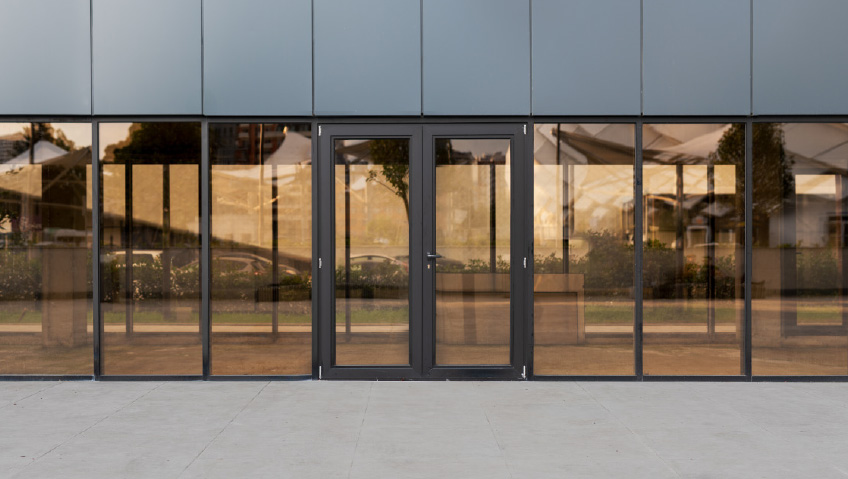
Hatton is working to design a pigment-shifting window that responds to light, letting winter light and heat in, scattering it for even distribution to keep buildings naturally lit, while blocking the summer sun and the heat it generates.
The panels are designed to move liquids containing additives (carbon black to absorb light and titanium dioxide to scatter it) through channels carved into thin plastic sheets, enabling improved performance without the need to replace the entire window. The goal is to develop a thin application for existing windows that sticks to the window like a fluid-infused sticker to support retrofit rather than replacement. The technology could be controlled by AI but first it has to be scaled for use.
Separate prototypes are being tested in buildings on campus, while a lab with a dedicated simulation room is currently under development. The research is promising. In 2023, research showed through simulations that one version of the windows with three fluid layers could reduce building energy use for heating by 75 percent, electric lighting use by 20 percent, and total operational energy use by 43 percent versus the best available electrochromic technology on the market, which is typically used in airplanes (though extremely costly and unlikely to be used in an entire building retrofit, especially where there is variable climate).