
As the construction industry evolves in the 21st century, it is increasingly clear that the traditional notion of “landscaping” has transformed into something far broader and more impactful. Landscape architecture, once treated as an aesthetic afterthought at the end of a project timeline, is now recognized as a critical component that bridges the built environment with community well-being and long-term resilience.
In Canada and the United States, this discipline is reshaping residential neighbourhoods, commercial developments, and public and institutional spaces, enhancing ecological performance while adding measurable economic and social value. Against a backdrop of climate change and urban densification, landscape architecture has become an essential tool in modern construction.
Unlike simple gardening or decorative landscaping, landscape architecture is rooted in a strategic, science-informed design process that integrates ecology, engineering, aesthetics, and human behaviour. Landscape architects work at multiple scales, shaping everything from private residential yards and multi-family housing developments to urban parks, university campuses, healthcare facilities, commercial plazas, and transportation corridors. Their work responds not only to how a space looks but to how it functions over time, how water moves through a site, and how natural systems can be restored or strengthened within developed areas.
At its core, landscape architecture is about relationships: between buildings and land, people and place, and human activity and the natural environment. Landscape architects analyze how people interact with outdoor environments and how those spaces perform ecologically across seasons and decades. Their work goes well beyond visual appeal to address complex challenges such as stormwater management, urban heat island mitigation, biodiversity preservation, soil health, and the creation of connective green networks across cities and rural regions alike. In an era where construction must respond to environmental constraints as much as economic ones, these considerations are no longer optional.
Within the construction process, landscape architecture adds value at every stage and at every scale, influencing how sites are planned and how spaces are ultimately experienced by users. In both Canada and the United States, the profession increasingly sits at the intersection of architecture, civil engineering, ecology, and urban planning, and early involvement of landscape architects can thus inform site selection, grading strategies, and drainage solutions, reducing long-term costs while improving performance outcomes.
According to industry practitioners, landscape architecture enhances commercial and industrial construction by improving site functionality and user experience. The thoughtful design of elements such as walkways and plazas influences pedestrian flow, accessibility, safety, and comfort. Strategic placement of trees and plantings can also reduce building energy use by providing shade, reducing wind exposure, and moderating microclimates around structures. And all these design interventions, while often subtle, have measurable impacts on operating costs and occupant satisfaction.
This multidisciplinary integration makes landscape architects key contributors to resilient and adaptive design, an increasingly important role as developments face changing climate conditions and complex social expectations. In regions across Canada and the northern United States, where heavy snowfall and intense rainfall events are becoming more unpredictable, landscape-led solutions can help projects remain functional and durable over time.
One of the clearest imperatives pushing landscape architecture to the forefront of construction is environmental sustainability. As governments and developers commit to emissions reduction targets and climate adaptation strategies, outdoor environments are being recognized as critical infrastructure rather than decorative space, and good landscape architects design outdoor environments that work alongside natural processes, enhancing ecological function rather than disrupting it. Green spaces such as parks and urban forests absorb carbon dioxide, improve air quality, and reduce the urban heat island effect that affects many Canadian and American cities, and dense urban centres such as Toronto, Vancouver, Montreal, and New York are increasingly relying on landscape-based solutions, including street-level trees and green roofs, to counter rising temperatures and improve livability. These interventions not only cool their surrounding areas but also reduce strain on the mechanical cooling systems inside adjacent buildings.
Water management is another area where landscape architecture plays a decisive role. Landscape architects can implement innovative stormwater management techniques to minimize flooding and reduce pressure on municipal infrastructure. Features such as rain gardens, bioswales, retention ponds, and constructed wetlands slow runoff and allow water to infiltrate naturally into the soil. In areas prone to intense rainfall or rapid snowmelt, these systems help reduce erosion and prevent costly damage to built assets.
Integrating native plant species and habitat features into landscapes also promotes biodiversity at a time when habitat loss remains one of the globe’s most pressing environmental challenges. Native plantings support pollinators and other wildlife while requiring fewer inputs such as irrigation and fertilizers. This ecological approach helps counter the habitat fragmentation common in developed regions by creating wildlife corridors and green networks that support healthier, more resilient ecosystems.
The restoration of degraded sites further demonstrates how landscape architecture contributes to environmental repair. Former industrial lands and underutilized urban spaces can be transformed into productive landscapes that support both ecological function and human use. Across Canada and the U.S., landscape-led remediation projects are reclaiming contaminated land and reintroducing vegetation, allowing these sites to re-enter the urban fabric as parks, mixed-use developments, or institutional campuses.
Beyond environmental performance, landscape architecture plays a significant role in promoting public health—physically, mentally, and socially. Growing bodies of research show that access to nature has profound effects on human well-being, particularly in urban environments where daily exposure to green space may be limited. For residents of dense cities, well-designed parks and green corridors provide relief from noise, congestion, and sensory overload.
Studies also indicate that even short periods spent in natural environments can reduce stress, lower cortisol levels, alleviate symptoms of anxiety and depression, and improve cognitive function. Extended exposure, such as spending 60 to 90 minutes in green space, has been shown to positively influence brain activity associated with emotional regulation and focus. These findings have important implications for how outdoor environments are planned within residential developments and public institutions.
Thoughtfully designed landscapes, whether on corporate campuses or civic plazas, often function as therapeutic environments. They offer spaces for sensory engagement that help reduce mental fatigue and encourage mindfulness. In healthcare settings in particular, access to landscaped outdoor areas has been linked to improved patient recovery times and reduced stress for staff and visitors.
Landscape architects also design spaces that promote physical activity as part of everyday life. Walking paths, cycling networks, playgrounds, outdoor fitness areas, and recreational fields encourage movement and support healthier lifestyles. These opportunities are especially valuable in densely populated urban zones where access to nature and recreational space may otherwise be limited. By integrating active transportation routes and recreational amenities into developments, landscape architecture supports broader public health objectives while enhancing the usability of sites.
Equally important is the social dimension of landscape architecture. Public landscapes foster connection by providing gathering places that encourage interaction and cultural exchange. Parks and community gardens become shared spaces where individuals and families from diverse backgrounds can come together, and these environments strengthen social networks and contribute to a stronger sense of place and belonging.
Landscape architecture can also play a role in advancing equity by improving access to quality green space across socioeconomic lines. Historically underserved communities often have less access to parks and higher exposure to environmental stressors. Inclusive landscape design strategies help ensure that outdoor spaces are welcoming and accessible to the needs of all users.
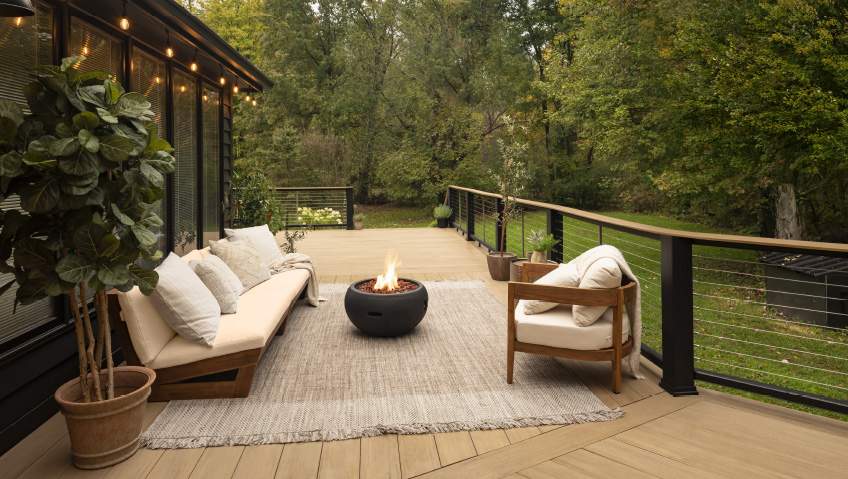
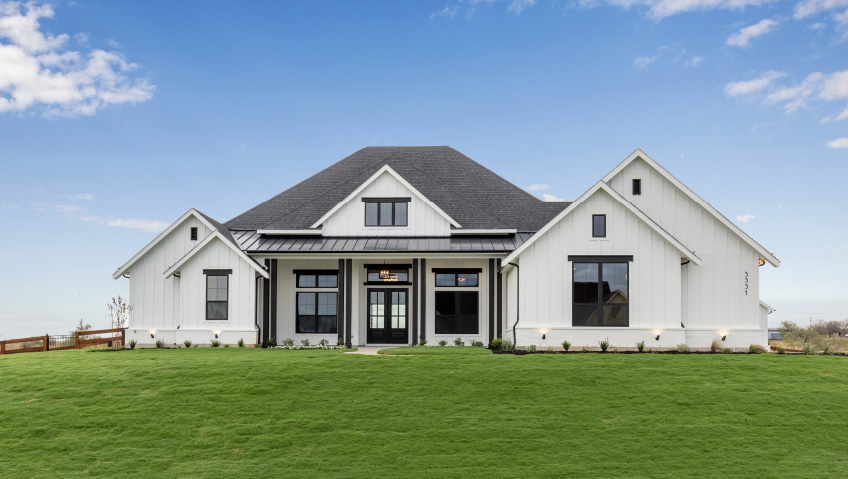
In residential construction, landscape architecture serves a dual purpose, blending function with aesthetics to shape how homeowners experience their space. More than a visual enhancement, professional landscape design adds tangible value to a property while transforming outdoor areas into extensions of the home that support daily living and overall well-being.
A thoughtfully designed residential landscape can improve privacy and comfort using natural buffers and planting strategies that define outdoor rooms. Strategic placement of trees and vegetation can reduce energy costs by providing shade in summer and shelter from wind in colder months, an especially valuable consideration in Canada’s varied climate zones. Native and drought-resistant plant selections support responsible water use while reducing long-term maintenance and operational costs.
At the same time, residential landscapes create opportunities for recreation and relaxation. Outdoor living areas, gardens, and pathways encourage time spent outside, supporting physical and mental health while enhancing everyday quality of life. Collectively, these benefits position landscape architecture as a wise investment for homeowners seeking to balance lifestyle enhancement with long-term financial return.
In commercial and institutional construction, landscape architecture plays a defining role in shaping the identity and functionality of spaces that people interact with daily. High-quality landscape design improves curb appeal and enhances overall marketability. People are naturally drawn to environments that feel welcoming and connected to nature, and these qualities influence how long they stay, how often they return, and how they perceive the organizations that occupy those spaces.
From retail centres and mixed-use developments to corporate campuses, landscaped environments often function as extensions of brand identity. Features such as water elements, shaded seating areas, and pedestrian-friendly plazas create inviting atmospheres that support customer engagement and employee productivity. Well-designed outdoor spaces also provide flexible areas for informal meetings and social events, adding functional value beyond aesthetics.
Institutional environments such as universities and hospitals also benefit significantly from landscape architecture. On campuses, landscapes can support wayfinding, encourage outdoor learning, and create spaces for social connection and respite. In healthcare settings, landscaped grounds contribute to healing environments that support both clinical outcomes and staff well-being. In both cases, landscape architecture helps institutions meet sustainability targets while enhancing the overall user experience.
The growing inclusion of landscape architecture in public policy, infrastructure investment, and planning frameworks reflects its importance in addressing contemporary challenges such as climate change, public health, and urban resilience. Professional organizations in Canada and the United States continue to advocate for broader recognition of the discipline’s contributions to environmental stewardship and social well-being.
Landscape architects frequently act as “glue people” within multidisciplinary project teams, working alongside planners, architects, engineers, and environmental scientists to deliver integrated solutions. Their ability to balance ecological performance with human experience positions them as key contributors to resilient community design in the decades ahead.
Ultimately, landscape architecture has transcended its decorative origins to become an essential discipline within the construction industry. It enriches the built environment by enhancing human health and adding lasting economic value across myriad sectors.
As Canadian cities grapple with climate adaptation and increasing demands on infrastructure, landscape architecture offers a practical and forward-looking blueprint for integrating nature into everyday life. The profession’s growing influence in the United States underscores a broader continental shift toward sustainable, human-centred design.
Lush landscapes are no longer optional embellishments; they are transformative frameworks for building resilient and equitable spaces that nurture both people and the planet.
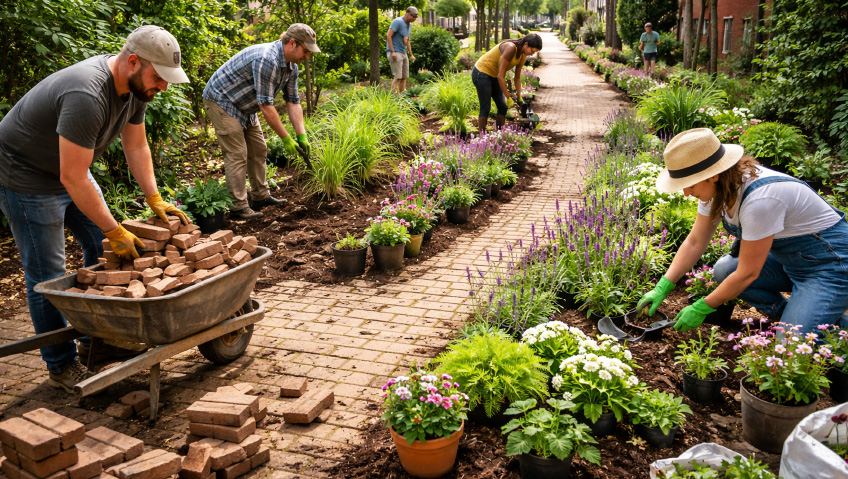
Turning Pavers into ParadisePaving Whipping: A Growing Trend?
In 1970, singer-songwriter Joni Mitchell released Big Yellow Taxi. The song’s sentiments reflected the North American construction craze of the era: “They paved paradise and put up a parking lot…...